How to Puppy-Proof Your Home Properly
Puppy Supplies & Setup By James C. • October 9, 2026
To puppy proof your home, get down to puppy height and work room by room. Lock away chemicals, medicines and chewables, secure cords, block stairs and pools, check fences and gates, and set up one safe puppy zone.
Below is a room-by-room checklist for how to puppy proof your home.
After that come the Australian yard, local wildlife and what to do if your puppy swallows something.
Start with a safe puppy zone
One small, fully puppy-proofed area is safer and easier to manage than trying to make the whole house safe at once. A laundry, a section of the kitchen or a corner of the living room closed off with a gate or playpen works well.
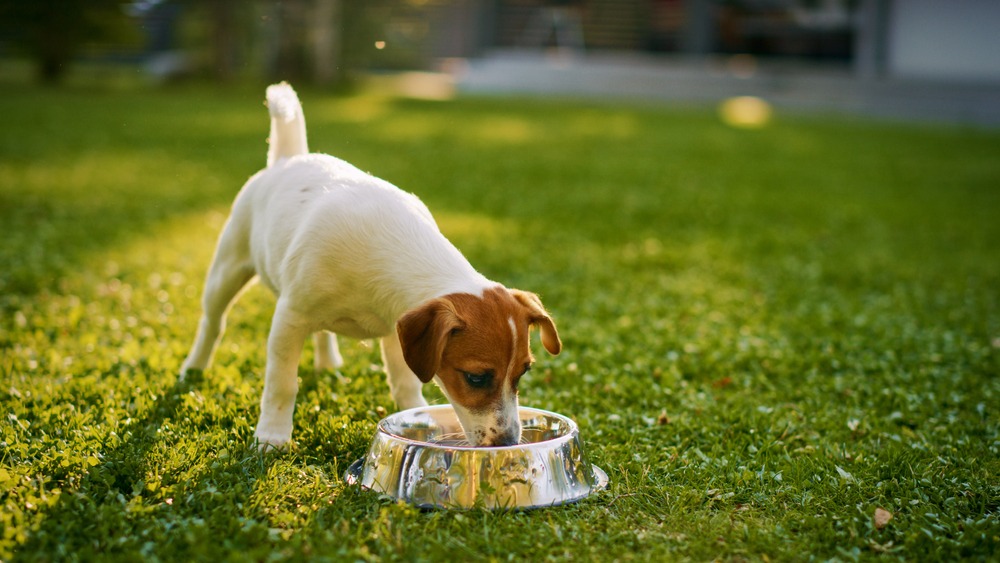
Choose a space with an easy-clean floor, no cords or cabinets within reach, and good airflow. Inside it, keep the day-one puppy essentials: a bed or crate, a water bowl that is hard to tip, a few chew toys and, if you are using them, puppy pads at the far end from the bed. The zone becomes the place your puppy rests whenever you cannot watch closely.
Before your puppy arrives, lie on the floor in the zone and look around. You will spot things you never notice standing up: a charger behind the couch, a loose skirting board, a gap under the fridge. Fix those first.
A safe zone also helps with leaving your puppy for short periods. Building up time apart in a calm, familiar space can reduce the stress behind separation anxiety in dogs. As your puppy becomes reliable, you can open up more of the house one room at a time.
How to puppy proof your home, room by room

Work through each room below, ticking off hazards at puppy height, and keep doors closed to any room you have not finished.
Living areas
Tuck electrical cords and phone chargers behind furniture or into cable covers. Lift remotes, coasters, kids’ toys and anything with batteries off low tables. Check indoor plants against a reliable toxic plant list, and roll up rugs with tassels until chewing settles down.
Kitchen
Use a bin with a locking lid or keep it inside a cupboard, since food scraps and bones are a common risk. Fit child locks to low cupboards with cleaning products. Chocolate, grapes and onions are among the foods toxic to dogs in Australia that should stay off benches.
Bathroom and laundry
Store medicines, vitamins and toiletries in high or latched cupboards, and keep toilet lids down. Detergent pods, bleach and fabric softener belong out of reach. Always check the washing machine and dryer before closing the door, because puppies like warm, dark spaces.
Bedrooms
Shoes, socks, underwear and hair ties are classic swallowing hazards. Use a laundry basket with a lid and keep wardrobe doors shut. Small items such as earrings, coins, button batteries and medication on bedside tables should go into a drawer.
Stairs and balconies
Block stairs with a sturdy gate at the top and bottom until your puppy is confident and well supervised. On balconies, check the gaps between railings and under the balustrade, since a small puppy can squeeze through spaces that look too narrow.
Garage and shed
Garages and sheds hold some of the most dangerous products in the home. Keep rat bait, snail bait, fertilisers, antifreeze, paint and pool chemicals on high shelves or in locked storage, and store sharp tools and fishing gear well out of reach.
Puppy proofing the yard and garden

Check the yard for escape routes, toxic plants, chemicals, water and heat before your puppy spends any time outside unsupervised. The RSPCA lists fertilisers, rat and mouse baits and snail and slug baits as common garden causes of pet poisoning.
Fences, gates and digging spots
Walk the full fence line and look for gaps under and between palings, loose panels and anything a puppy could climb. Make gates self-closing where possible. Watch for favourite digging spots along the fence and block them with pavers or buried mesh.
Toxic garden plants common in Australia
The Australian Veterinary Association warns that cycads, or sago palms, are extremely toxic to pets. It also lists oleander, English ivy, kalanchoe, amaryllis, holly, tulips and yew as toxic. Check any plant you are unsure of with your vet.
Pools, ponds and water features
Keep the pool gate shut and never assume a pool fence will stop a small puppy. Pool barrier laws exist to protect young children and vary by state, so check your state regulator for the rules that apply to your property.
Shade, water and summer heat
Make sure the yard has shade throughout the day and a heavy water bowl that cannot tip. Hot paving and artificial turf can become uncomfortable for paws, and above certain safe temperatures for dogs a puppy is better kept indoors.
Australian wildlife hazards

Snakes, paralysis ticks and cane toads are the main wildlife risks for Australian puppies, and calm awareness plus fast vet care is the best protection.
Snakes are more active in warmer months. RSPCA NSW recommends keeping grass short and removing places where snakes could hide. If you suspect a bite, keep your puppy calm, do not wash the wound or apply a tourniquet, and get to a vet straight away, since recovery chances are greater the earlier a dog is treated.
Paralysis ticks are prevalent along the east coast, and they can turn up in backyards and local parks as well as bushland. Check your puppy’s coat every day in tick-prone areas, and ask your vet which tick prevention suits your puppy’s age and weight.
Cane toads are a pest in warmer parts of Queensland and northern New South Wales. If your puppy mouths one, Greencross Vets advises gently wiping the inside of the mouth with a damp cloth and calling a vet; go straight to an emergency vet if your puppy is seizuring or collapsed.
In rural areas, ask your council or neighbours whether baits are being laid nearby, and keep your puppy on a lead in unfamiliar places.
What to do if your puppy gets into something
If your puppy eats something that may be toxic, call your vet or the Animal Poisons Helpline straight away, even if your puppy seems well.
Some poisons, including snail bait, rat bait and cycads, may not cause obvious signs for hours or days, so waiting to see what happens can lose valuable time. The Animal Poisons Helpline is on 1300 869 738, and your local vet or nearest emergency hospital can advise on whether to come in.
Keep the packaging, label or a piece of the plant, and note roughly how much was eaten and when. This helps the vet work out the risk quickly and choose the right treatment. Do not try to make your puppy vomit unless a vet tells you to, since some substances cause more damage coming back up.
Watch for changes such as vomiting, drooling, tremors, lethargy or unusual behaviour. Signs like these can point to illness in a young puppy and may need urgent attention. When in doubt, it is best to call your veterinarian.
Keep checking as your puppy grows

Puppy proofing is not a one-off job, because your puppy’s reach, strength and curiosity change every few weeks.
As your puppy grows taller, benches, coffee tables and bins that were out of reach suddenly are not. Stronger jaws can get through items that were safe at eight weeks, and teething puppies may chew harder for several months, so swap worn toys for sturdy puppy teething toys. Repeat your puppy-height walkthrough every few weeks, then again at standing height for a bigger dog.
Jumping and climbing bring new risks too. Check that gates are tall enough, that outdoor furniture is not a launch pad over the fence, and that balcony gaps are still secure.
Seasons change the risks as well. Re-check the yard each spring, when snakes and ticks become more active, and whenever trees drop fruit, berries or seeds, which the RSPCA notes dogs will often eat and which can cause blockages. A quick monthly walk around the garden catches most new hazards early.
Chewing on cords, shoes and furniture often settles with the right outlets and steady redirection. Reward-based methods that stop puppy biting without punishment also help manage mouthing and chewing as your puppy matures.
Next steps: print the checklist and set up the puppy zone
Print the room-by-room checklist, set up your safe puppy zone first and walk the yard before your puppy arrives.
Save the Animal Poisons Helpline and your nearest emergency vet in your phone. Once the home is safe, the rest of your puppy supplies and home setup can follow.
Frequently asked questions
1. When should you puppy proof your home?
Puppy proof your home at least a few days before your puppy arrives, so you can walk every room at puppy height without distractions. Set up the safe zone first, then repeat the checks every few weeks as your puppy grows taller, stronger and more curious.
2. Can I leave my 9 week old puppy home alone?
A 9 week old puppy should only be left alone for short periods, in a puppy-proofed safe zone with water, a bed and chew toys. Young puppies need frequent toilet breaks, so build up time apart gradually and ask your vet for guidance.
3. How do you survive the first 48 hours with a new puppy?
Keep the first 48 hours calm and predictable. Use one safe zone, take your puppy outside to toilet often, offer meals at regular times from a dedicated puppy feeding station and limit visitors. Supervise closely whenever your puppy is out of the zone, and let it sleep as much as it needs.
4. What plants are toxic to puppies in Australia?
Cycads, also called sago palms, are among the most dangerous plants for dogs in Australia. The Australian Veterinary Association also lists oleander, English ivy, kalanchoe, amaryllis, holly, tulips and yew as toxic. Check any unfamiliar plant with your vet before your puppy can reach it.
5. How do I stop my puppy chewing cords?
Stop a puppy chewing cords by removing access first: tuck cords behind furniture, use cable covers and unplug chargers when not in use. Then give your puppy approved chew toys, supervise closely and calmly redirect any chewing on cords to a toy.
 Add us as a preferred source