Dog Feeding Station: Setting One Up Correctly for a Puppy
Puppy Supplies & Setup By James C. • October 9, 2026
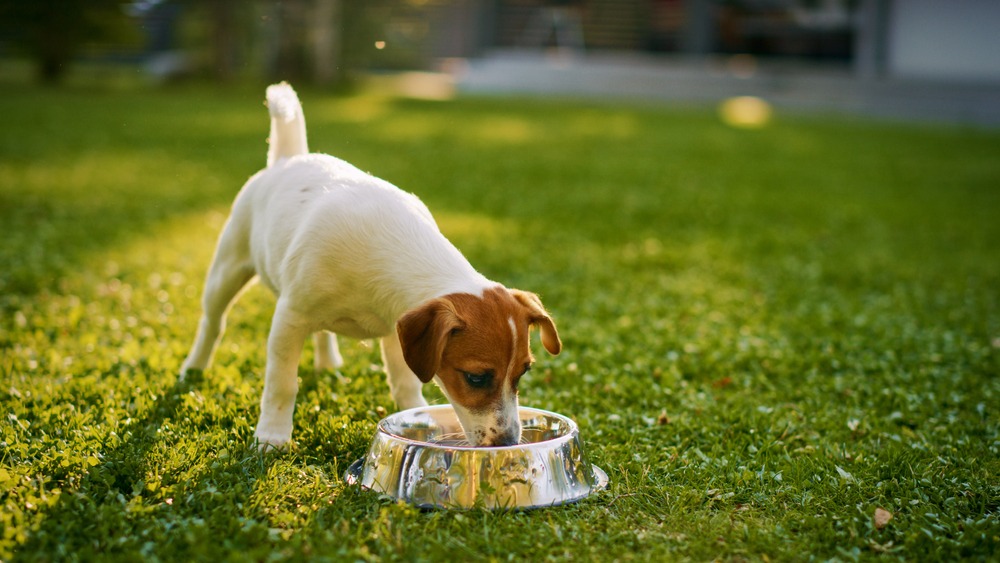
A good dog feeding station for a puppy sits in a quiet, easy-to-clean spot away from its bed and toilet area. It uses a non-slip mat, keeps fresh water available and holds bowls at a comfortable height.
It should also be cleaned daily.
Placement, mats, bowl height, routines, multi-pet arrangements and a simple cleaning routine are what make a station work.
What a puppy feeding station needs
A puppy feeding station needs only four things: food and water bowls, a mat underneath, a reliable water supply and sealed food storage nearby. Keeping it simple makes the area easier to clean and easier for your puppy to recognise as the place where meals happen.
- Bowls: one for food and one for water, sized for your puppy now. How many bowls a puppy needs and which materials to choose is a separate decision from setting up the station itself.
- A feeding mat: non-slip, waterproof and easy to wipe or wash.
- Fresh water: a bowl that stays full and clean throughout the day.
- Storage: an airtight container or the original sealed bag, kept out of your puppy’s reach.
Set the station up before your puppy comes home so the first meal happens in the same place as every meal after it. The other items to have ready before pickup belong on a full puppy home setup checklist.
Avoid adding toys, bedding or chews to the feeding area. Keeping it for food and water only helps your puppy settle into mealtimes and makes cleaning quicker.
Where to put your puppy’s feeding station
The best place for a puppy feeding station is a quiet, low-traffic corner with an easy-to-clean floor, away from the puppy’s bed and toilet area. Placement affects how calmly your puppy eats and how easy the area is to keep hygienic.

Choosing a quiet, low-traffic spot
Pick a corner of the kitchen or laundry where people do not walk through constantly. A puppy that is bumped, stepped over or distracted while eating may gulp its food or become protective of the bowl. Tiles or vinyl make spills easy to wipe up.
Keeping food away from beds and toilet areas
Dogs naturally prefer to keep eating, sleeping and toileting areas apart. Placing the station well away from the crate and any puppy pads respects that instinct, keeps the food area cleaner and can help toilet training run more smoothly.
Indoor vs outdoor stations in Australian weather
Indoor stations are easier to manage for most puppies, especially in the early months when an indoor puppy setup suits them best. Outdoors, food can attract ants and flies, and water heats quickly in summer sun. If your puppy spends time outside, provide shaded water in a heavy, tip-resistant bowl and bring food inside after meals.
Feeding mats and keeping the area clean
A feeding mat protects your floor, stops bowls sliding and contains spills, which makes it one of the most useful parts of a dog feeding station. Puppies are messy eaters, and many enjoy pawing or paddling in their water bowl.

Look for a mat that is non-slip on the underside, waterproof on top and has a raised lip around the edge to catch water and loose kibble. Silicone and rubber mats are easy to wipe and many can go in the dishwasher or be washed in hot soapy water.
Choose a mat large enough to extend past the bowls on every side, so splashes land on the mat rather than the floor. For puppies that push bowls around, a mat with a textured surface or bowl recesses helps keep everything in place.
Avoid fabric mats for water bowls, as they stay damp and can develop odours. If your puppy chews its mat, swap to a firmer design and supervise mealtimes until the habit passes, since chewed pieces should not be swallowed.
Wipe the mat after each meal and give it a full wash at least weekly, or more often if food is caked on. Dry it fully before putting bowls back down.
Raised vs floor bowls: which is better for a puppy?
For most puppies, floor-level bowls on a non-slip mat are the simplest and most widely recommended choice, and raised feeders are best discussed with your veterinarian, especially for large and deep-chested breeds. The comparison below covers the practical differences.

| Factor | Floor bowls | Raised bowls |
|---|---|---|
| Posture | Natural for small and medium puppies | Less bending, which some owners prefer for tall dogs |
| Mess | Easy to tip if not on a mat | Stand holds bowls steady |
| Cost | Low | Higher, especially adjustable stands |
| Growing puppies | Works at every age | Needs an adjustable stand as the puppy grows |
| Large and deep-chested breeds | Suggested by a veterinary evidence review for at-risk dogs | Discuss with your veterinarian first |
Getting the height right as your puppy grows
Your puppy should be able to eat with its neck in a relaxed position, without crouching low or stretching up. A common rule of thumb is a bowl rim around lower chest height. Recheck every few weeks, since puppies grow quickly.
Large and deep-chested breeds
Gastric dilatation and volvulus, often called bloat, is a serious emergency that deep-chested breeds such as the Great Dane may be prone to. One study linked raised feeders with higher bloat risk in large and giant breeds, but a later study found no effect.
What the evidence says about raised feeders
A Veterinary Evidence review found no study showing that raised feeders reduce bloat risk and suggested owners of at-risk dogs use floor-level bowls. Steady mealtimes matter for these breeds too, and it is best to discuss bowl height with your veterinarian.
Building a feeding routine around the station
Feeding at set times in the same place helps your puppy settle, supports toilet training and makes it easier to notice changes in appetite. The station works best as part of a predictable daily rhythm.
Choose meal times that suit your household and keep them consistent, including weekends. Young puppies usually eat several smaller meals a day, and daily puppy portions change with age.
Keep the time around meals calm. Ask your puppy to sit before the bowl goes down, then let it eat without being disturbed. Avoid boisterous play straight after eating, and take your puppy to its toilet spot soon after each meal.
Pick up uneaten food once your puppy walks away rather than leaving it out all day. This is especially important with wet puppy food, which spoils faster in warm weather than dry food.
A puppy that suddenly stops eating, eats far less than usual or seems unwell around mealtimes should be checked by a veterinarian.
Feeding stations in multi-pet homes
In homes with more than one pet, each animal needs its own feeding station, with meals supervised so every pet eats its own food in peace. Shared bowls often lead to one pet eating too much and another too little, and can cause tension at mealtimes.

Separate stations and supervision
Set up each pet’s station far enough apart that they cannot reach each other’s bowls, or feed them in different rooms. Stay nearby for meals at first and lift bowls once each pet has finished so food is not left for others to finish.
Keeping cat food out of reach
Cat food is formulated for cats, not growing puppies, and most puppies will eat it given the chance. Feed cats on a bench, shelf or other raised spot the puppy cannot reach, or behind a cat-only gate.
Avoiding food guarding
Some puppies stiffen, growl or eat faster when someone comes near the bowl. Give your puppy space at mealtimes and never take food away to test it. If guarding appears, speak with your veterinarian or a reward-based trainer early.
Cleaning and hygiene checklist
A clean dog feeding station means washing bowls after every meal, refreshing water daily, cleaning the mat regularly and storing food properly. The US Food and Drug Administration advises washing pet food bowls and scoops with soap and hot water after each use.
- After every meal: wash the food bowl in hot soapy water, rinse and dry it.
- Daily: empty, wash and refill the water bowl, and wipe the mat.
- Weekly: wash the mat thoroughly and check bowls for cracks or deep scratches.
- Storage: keep dry food cool, dry and sealed; refrigerate or discard leftover wet food promptly.
- Ants and pests: wipe up crumbs straight away and keep bins sealed and away from the station.
Keep human food, bins and food scraps well away from the feeding area, since many common foods are toxic to dogs. In hot weather, clean up spills promptly and check the station after each meal, as food residue quickly attracts ants and flies, especially outdoors.
Next steps: getting mealtimes right
A well set-up dog feeding station gives your puppy a calm, clean and predictable place to eat.
Choose a quiet spot, use a good mat, keep bowl height comfortable and wash everything regularly. Then focus on portions and timing, and browse the Pups4Sale breed guides for breed-specific feeding needs.
Dog feeding station FAQs
1. Is it better for dogs to eat off the ground or elevated?
Floor-level bowls suit most puppies and dogs and are the simplest choice. Evidence on raised feeders and bloat is mixed, and a veterinary evidence review suggested at-risk large and deep-chested breeds use floor-level bowls, so discuss raised feeders with your veterinarian.
2. How do I make a homemade dog feeding station?
Choose a quiet, easy-to-clean corner, add a non-slip waterproof mat and place food and water bowls on it. If you build a stand, make it stable and adjustable as your puppy grows, and check the height with your veterinarian for large breeds.
3. Where should I put my puppy’s food and water bowls?
Put your puppy’s bowls in a quiet, low-traffic spot with an easy-to-clean floor, away from its bed and toilet area. A kitchen or laundry corner often works well, as long as people are not constantly walking past during meals.
4. Should a puppy’s water bowl be next to the food bowl?
Keeping water beside the food bowl on the same mat is convenient and contains spills. Many owners also add a second water bowl elsewhere, so fresh water is always easy to reach, especially in Australian summer heat.
5. How often should I clean my puppy’s feeding station?
Wash the food bowl with hot soapy water after every meal, refresh and wash the water bowl daily, and wipe the mat each day. Give the mat a thorough clean at least weekly, and dry everything before putting it back.
 Add us as a preferred source