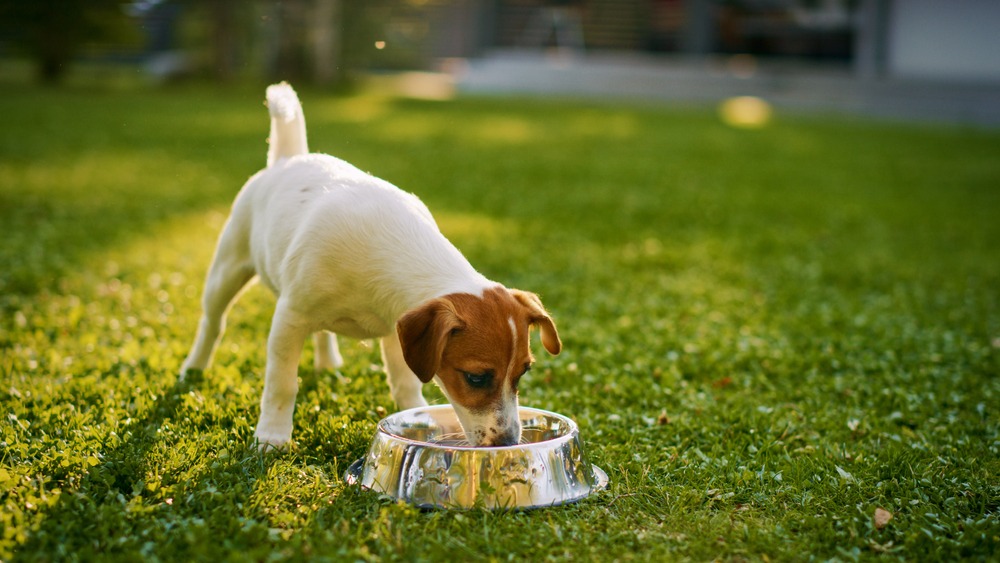
Dog Crate Sizes: What Size Crate Should a Puppy Use?
Puppy Supplies & Setup By James C. • October 9, 2026
A puppy needs a crate it can stand up, turn around and lie stretched out in, sized for its expected adult measurements plus a small allowance. A divider keeps the space snug during toilet training.
Measuring properly, checking a size chart by adult weight and breed, and choosing the right crate type are the three steps that matter.
Get those right and crate size becomes one of the easier decisions in a puppy home setup.
How to measure your puppy for a crate

Measure length and height with a soft tape, then add a small allowance so your dog can stand and stretch without touching the sides or roof. Measure your puppy now, but base the final choice on its expected adult size.
Length: nose to base of tail
With your puppy standing, measure from the tip of the nose to the base of the tail, not the tip. This tells you the minimum internal length the crate needs for your dog to lie stretched out comfortably.
Height: floor to top of head or ear tips
Measure from the floor to the top of the head while your puppy sits upright, or to the ear tips for breeds with erect ears. Your dog should be able to sit and stand at full height without its head touching the roof.
Allow for growth and bedding
A commonly used allowance is about 5 to 10 cm on top of both measurements. Remember that a thick mat or bed raises your dog and takes up floor space, so allow for crate bedding when comparing internal crate dimensions.
Dog crate sizes by adult weight and breed

Most dog crate sizes in Australia are sold by inch length, from about 24 inches for small dogs up to 48 inches for giant breeds. Use the chart as a starting point, then check the internal dimensions on the specific crate, since manufacturers’ sizes and weight guides differ.
| Crate size (nominal length) | Approximate length in cm | Typical adult weight | Example breeds |
|---|---|---|---|
| 24 inch (small) | About 61 cm | Up to about 9 kg | Smaller Cavoodles, Maltese and toy crosses |
| 30 inch (medium) | About 76 cm | About 9 to 18 kg | Larger Cavoodles, Beagles, Cocker Spaniels |
| 36 inch (large) | About 91 cm | About 18 to 32 kg | Border Collies, smaller Labrador Retrievers |
| 42 inch (extra large) | About 107 cm | About 32 to 41 kg | Larger Labradors, German Shepherds |
| 48 inch (giant) | About 122 cm | About 41 to 50 kg | Larger German Shepherds and other large breeds |
Centimetre figures are straight conversions of the nominal length; internal space is usually a little smaller. Breeds vary widely, especially crosses, so the breed column is a guide only. If your puppy falls between sizes, choose the larger crate and use a divider, which also suits medium and large breeds whose adult size is uncertain.
Sizing a crate for a growing puppy

Buy for your puppy’s adult size and use a divider to shrink the space while it is small, moving the panel back as your puppy grows.
Estimating adult size
Ask your breeder for the adult weight and height of both parents, which is the most reliable guide. Breed guides give typical ranges, but crossbreeds such as Cavoodles and Groodles vary widely depending on the size of the poodle parent.
Using a divider and when to move it
Set the divider so your puppy can stand, turn and lie down, with little spare room. Move it back in small steps as your puppy grows or starts to look cramped, checking that it can still stretch out comfortably.
Buy once or buy twice?
One adult-sized crate with a divider is usually the simplest choice for medium and large breeds. For toy and small breeds, a small crate may last for life. Buying twice mainly makes sense if your crate has no divider option or your puppy needs a travel crate as well.
Signs the crate is too big or too small
A crate is too big if your puppy toilets at one end and sleeps at the other, and too small if it cannot stand, turn or lie stretched out.
Puppies generally avoid soiling where they sleep, which is why crates help with house training. When there is too much space, a puppy can use one corner as a toilet and still sleep comfortably elsewhere, which can undo progress. If that happens, bring the divider forward and revisit your puppy toilet training routine.
Signs a crate is too small include a head touching the roof when sitting, a curled, cramped posture when your dog would normally stretch out, difficulty turning around, and reluctance to go in. These are easy to miss as a puppy grows week by week, so check every couple of weeks.
Comfort matters as much as size. Your puppy should be able to rest in a natural position without pressing against the sides. If you are unsure, measure again and compare with the crate’s internal dimensions, not the box label.
Which crate type suits a puppy?

A wire crate with a divider suits most puppies at home, while plastic crates suit travel and soft crates suit calm, older dogs. Here is how the main types compare for chewing, airflow in Australian heat and portability:
- Wire crates: good airflow, visibility and dividers in most models; fold flat. They can be noisy and offer less of a den feel, so a cover over part of the crate can help.
- Plastic crates: enclosed and den-like, and common for travel. Airflow is lower, so position them away from heat and sun in summer.
- Soft fabric crates: light and portable, but easily chewed or scratched through. Better for calm adult dogs than teething puppies.
- Heavy duty crates: reinforced metal for strong chewers or escape artists; heavier and more expensive.
- Furniture-style crates: double as a side table, but timber can be chewed and many lack dividers.
Whatever the type, place the crate in a shaded, well-ventilated spot and never leave it in direct sun. Check that doors latch securely and that there are no sharp edges or gaps where a small paw or jaw could get caught.
Introducing the crate
Introduce the crate gradually so your puppy sees it as a safe, comfortable place to rest, never as a punishment.
Start with the door open, a fitted mat inside and a few treats or a meal placed near and then inside the crate. Let your puppy explore at its own pace. Once it walks in happily, close the door for a few minutes while you stay nearby, then build the time up slowly.
A few simple habits keep crate time safe and positive. Always provide water for longer sessions, keep the crate out of direct sun, and never use it as punishment. Many owners also remove collars with dangling tags before crating, so nothing can catch on the wire.
Keep crate time short for young puppies. Puppies under six months should spend no more than 2 to 3 hours in a crate during the day without a toilet and play break, according to SPCA New Zealand. Calm, consistent routines build crate confidence, and the first few nights at home are usually the hardest part.
Next steps: measure, check the chart and set up the crate
Measure your puppy, ask the breeder about the parents’ adult size, and pick a crate from the chart using the internal dimensions.
Add a divider for a growing puppy, a fitted washable mat and a shaded spot, alongside the other day-one puppy essentials. Check the fit every few weeks and adjust the divider as your puppy grows.
Frequently asked questions
1. What size crate for a 25kg dog?
A 25 kg dog usually suits a 36 inch crate, about 91 cm long, though body shape matters as much as weight. Measure your dog from nose to tail base and floor to head top, add a small allowance and compare with the crate’s internal dimensions.
2. Can a crate be too big for a puppy?
Yes. A crate that is too big lets a puppy toilet at one end and sleep at the other, which can slow house training. Buy for adult size if you like, but use a divider to keep the space just big enough to stand, turn and lie down.
3. Should a dog be able to stretch out in a crate?
Yes, a dog should be able to lie on its side with its legs stretched out, as well as stand and turn around comfortably. If your dog has to curl up tightly or touches the roof when sitting, the crate is too small.
4. What size crate do I need for a Cavoodle?
Most Cavoodles suit a 24 or 30 inch crate depending on their adult size, which varies with the poodle parent. Ask the breeder about the parents’ size, measure your puppy, and use a divider if you choose the larger crate.
5. How long can a puppy stay in a crate?
Young puppies need short crate sessions with regular breaks. SPCA New Zealand advises that puppies under six months spend no more than 2 to 3 hours in a crate during the day without a toilet and play break. Build up time gradually.
 Add us as a preferred source